
Products
Our Product Range
We specialize in supplying and trading a comprehensive range of laboratory and industrial equipment designed to deliver accuracy, durability, and high performance across various industries.
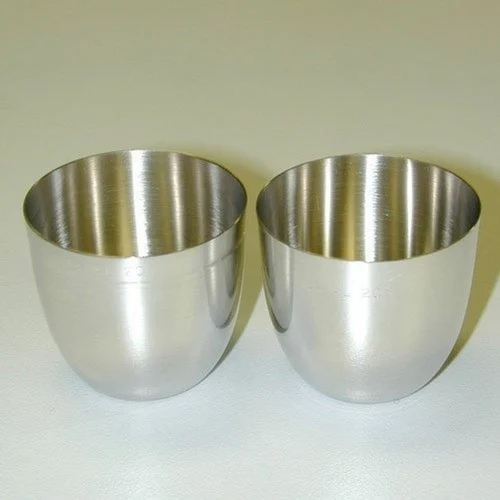
Platinum Crucibles
Pioneers in the industry, we offer Laboratory Platinum Crucibles from India.
| Platinum Purity | 99.95 % |
| Capacity | 30 ml |
| Material | Platinum |
| Shape | Round |
| Max Temperature | 1000 Degree Celsius |
| Usage/Application | Laboratory |
| Volume | 50 ml |
| Purity | 99.95% |
| Surface Finish | Polished |
Platinum crucibles are often used in high-temperature applications, particularly in laboratories for processes such as fusion, casting, or other high-temperature reactions. They are known for their resistance to high temperatures and corrosion, making them suitable for a variety of demanding applications. A 50ml platinum crucible would refer to its volume capacity, indicating how much material it can hold or process at once. These crucibles are often used in small-scale experiments or processes where precise measurements and control are required.
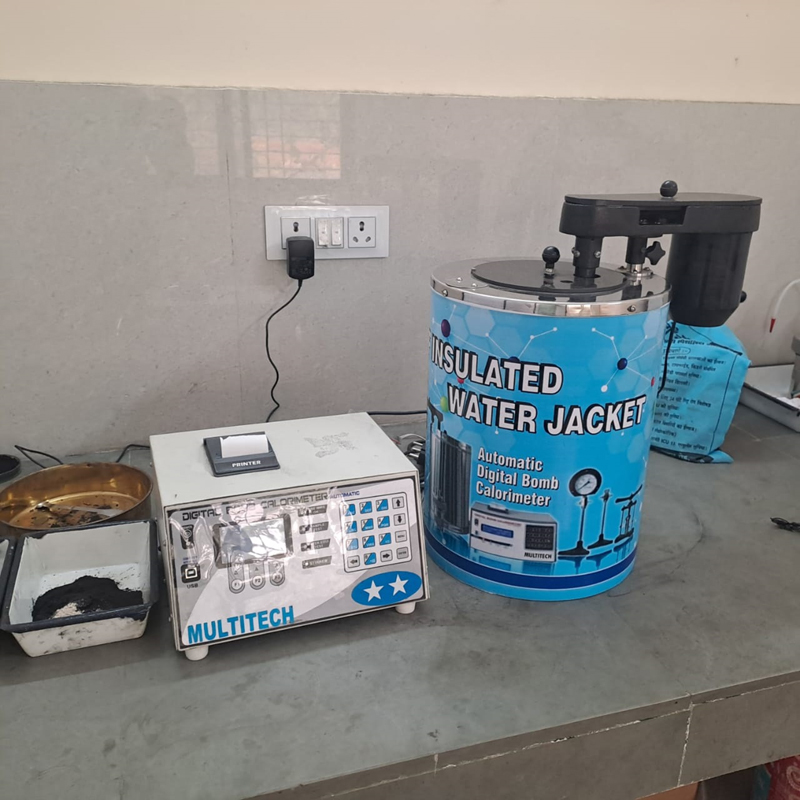
Bomb Calorimeter
Wholesale Trader of a wide range of products which include Digital Bomb Calorimeter.
| Usage/Application | Laboratory |
| Automation Grade | Fully Automatic |
| Material | Stainless Steel |
| Display | Digital |
| Temperature Resolution | 0.01 C. |
| Power Source | Electric |
| Voltage | 220 V |
| Analysis Time | 15 Minutes |
| Frequency | 50 Hz |
A fully automatic digital bomb calorimeter is a sophisticated instrument used in chemistry laboratories to measure the heat of combustion of a substance. Here's how it typically works:
Sample Preparation: A small amount of the substance to be tested (usually in the form of a pellet) is weighed and placed into a crucible.
Assembly: The crucible containing the sample is placed inside a high-pressure vessel known as a bomb, along with an excess of oxygen.
Ignition: The bomb is sealed, and an electrically heated wire igniter is used to initiate the combustion reaction.
Measurement: As the substance burns, it releases heat, which raises the temperature of the surrounding water in a calorimeter vessel. The increase in temperature is accurately measured using a sensitive thermometer or a thermistor.
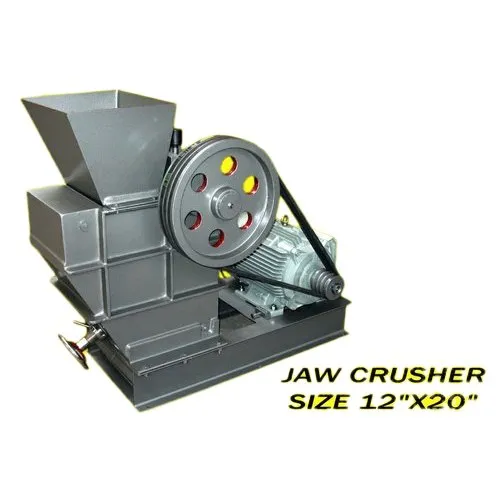
Jaw Crushers
Jaw crushers are heavy-duty machines used for crushing hard materials like rocks, minerals, and ores. They are widely used in mining, construction, and laboratory sample preparation.
Applications
- Mining industries
- Construction sites
- Material testing laboratories
- Aggregate processing units
Key Features
- High crushing efficiency
- Heavy-duty construction
- Low maintenance requirements
- Uniform output size
Technical Highlights
- Adjustable jaw settings
- Robust motor and frame
- Long service life
| Material | Mild Steel |
| Machine Type | Crusher |
| Type Of Crushing Machines | Jaw Crusher |
| Motor Type | DC Motor |
| Weight | 220kg |
| Phase Type | Single |
| Jaw Size | 12x20" |
| Frequency | 50Hz |
| Feeding Size | 10" |
Being a leader in the industry, we are engaged in offering a qualitative range of 12"X20" Jaw Crusher
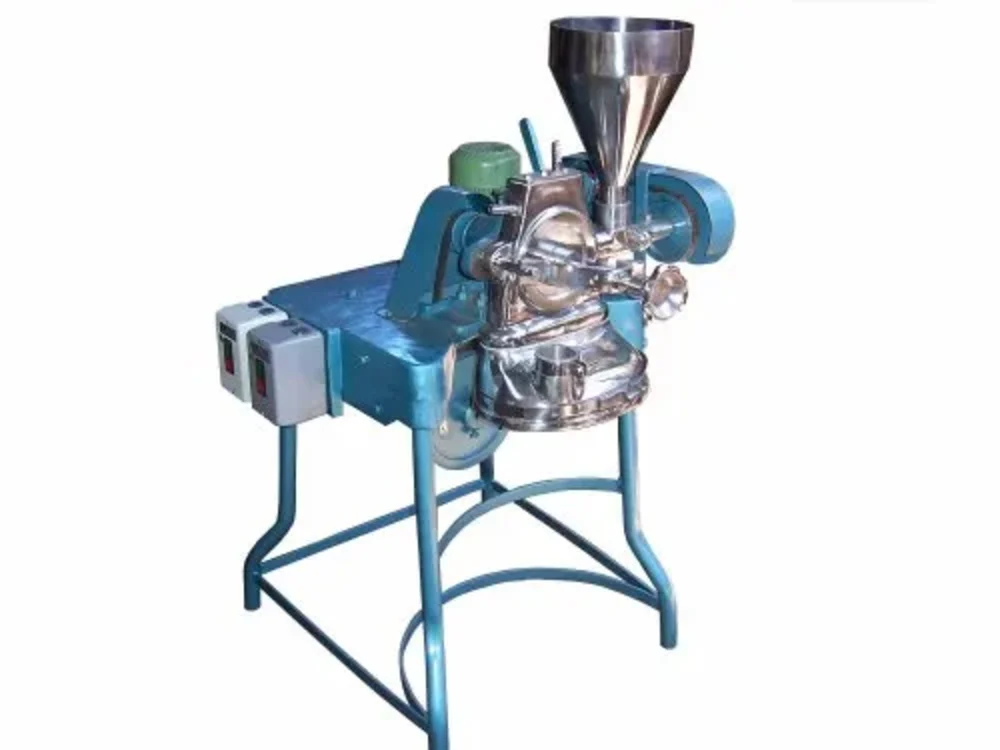
Pulverizes
Pulverizes are used for grinding and crushing materials into fine powder. These machines are ideal for industries such as mining, agriculture, chemicals, and pharmaceuticals.
Applications
- Mining and mineral processing
- Agriculture and food processing
- Chemical industries
- Pharmaceutical manufacturing
Key Features
- High grinding efficiency
- Adjustable particle size
- Energy-efficient operation
- Strong and durable build
Types Available
- Hammer type pulverizers
- Disc pulverizers
- Laboratory pulverizers
| Capacity | 100 kg/hr |
| Machine Capacity | 20 to 500 kg. per hour |
| Material | Mild Steel |
| Phase | Three Phase |
| Voltage | 220-440 V |
| Driven Type | Electric |
| Finishing | Color Coated |
| Frequency | 50-60Hz |
In order to cater the variegated demands of our precious clients, we are offering a wide range of Impact Lab Pulverizer Machine.
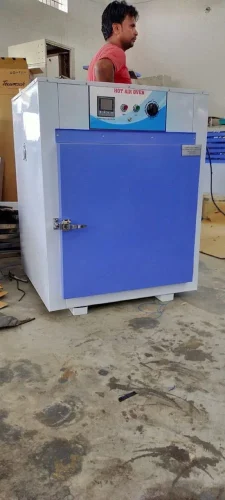
Hot Air Oven
Providing you the best range of Stainless Steel Laboratory Hot Air Oven with effective & timely delivery.
| Usage/Application | Laboratory |
| Temperature Range | 250 Degree C |
| Material | Stainless Steel |
| Chamber Volume | 60 Litre |
| Number Of Shelves | 2 |
| Surface Finish | Color Coated |
A stainless steel laboratory hot air oven is a type of equipment commonly used in scientific laboratories and research facilities for applications such as drying, sterilizing, and thermal testing of samples. Here's an overview of its typical features and operation:
Construction: The oven is primarily made of stainless steel, both internally and externally. Stainless steel is chosen for its durability, resistance to corrosion, and ease of cleaning, which are essential in laboratory settings.
Heating System: Inside the oven, there are one or more heating elements, often made of nichrome wire, which generate heat to raise the temperature within the oven chamber.
Temperature Control: The oven is equipped with a temperature control system that allows users to set and maintain the desired temperature for their specific application. This system usually includes a digital or analog temperature controller, a temperature sensor (such as a thermocouple or RTD), and sometimes a PID controller for precise temperature regulation.
Uniform Air Circulation: To ensure consistent heating throughout the chamber, laboratory ovens often feature a fan or blower that circulates hot air. This helps to prevent temperature variations and ensures that samples are heated evenly.
Insulation: The oven is typically insulated to minimize heat loss and improve energy efficiency. Common insulation materials include fiberglass or mineral wool, which help maintain stable temperatures within the chamber.
Sample Placement: Samples or materials to be processed are placed inside the oven on shelves or racks. The oven may have adjustable shelving to accommodate different sample sizes and shapes.
Safety Features: Modern laboratory ovens may include safety features such as over-temperature protection, which automatically shuts off the heating elements if the temperature exceeds a preset limit, and alarms to alert users of any malfunctions or abnormal conditions.
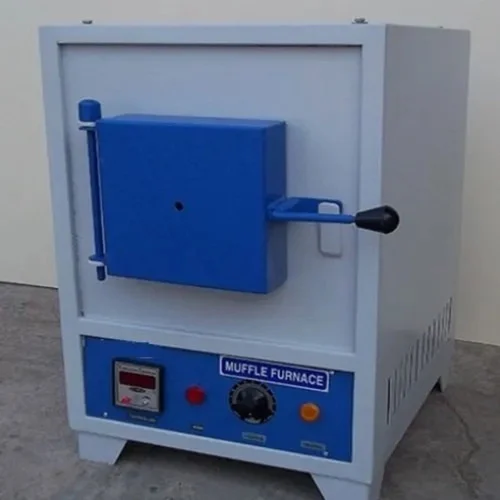
Muffle Furnace
Offering you a complete choice of products which include Laboratory Muffle Furnace.
| Material Loading Capacity | 100 Kg |
| Melting Material | Iron |
| Max Operating Temperature | 500 degree Celsius |
| Power Source | Electric |
| Type Of Furnace | Fix |
| Rated Power (KW) | 1500W |
| Input Voltage (V) | 230V |
| Automation Grade | Automatic |
A laboratory muffle furnace is a type of high-temperature oven used in scientific and industrial settings for various heat treatment processes, such as annealing, sintering, calcination, and heat sterilization. Here's how it typically operates:
Construction: A muffle furnace consists of a chamber or cavity made of refractory material, such as ceramic or brick, capable of withstanding high temperatures. The chamber is enclosed by a metal casing, and insulation material is often added to minimize heat loss.
Heating Elements: Inside the chamber, one or more heating elements, usually made of resistance wire, are positioned to uniformly distribute heat throughout the interior. These heating elements are connected to a power source and controlled by a temperature controller.
Temperature Control: The muffle furnace is equipped with a temperature control system that allows operators to set and maintain the desired temperature for the heat treatment process. This system typically includes a temperature controller, thermocouple or temperature sensor, and sometimes a PID (proportional-integral-derivative) controller for precise temperature regulation.
Airflow Control: Some muffle furnaces may have adjustable vents or dampers to control the airflow inside the chamber. This can be important for processes that require specific atmospheric conditions or for preventing the buildup of gases or fumes.
Sample Placement: Samples or materials to be treated are placed inside the chamber on shelves or racks made of heat-resistant material. The muffle furnace may have multiple shelves to accommodate different samples or batch sizes.
Safety Features: Modern muffle furnaces often include safety features such as over-temperature protection, which automatically shuts off the heating elements if the temperature exceeds a preset limit, and alarms to alert operators to any malfunctions or abnormal conditions.
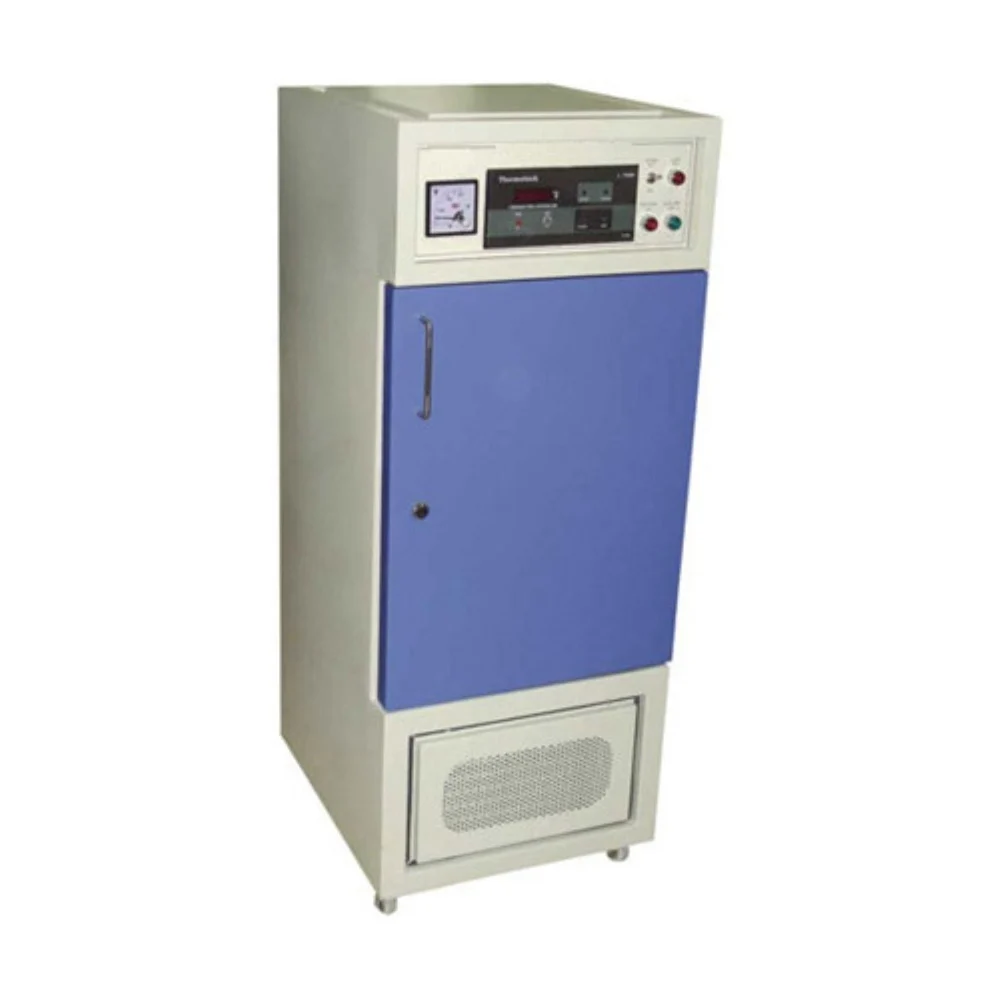
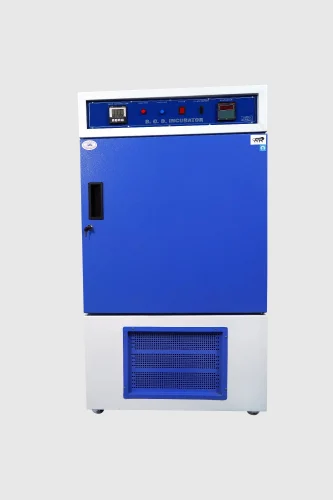
BOD Incubators
BOD (Biochemical Oxygen Demand) incubators are specialized equipment used for maintaining controlled temperature conditions required for biological and environmental testing, especially in water and wastewater analysis.
Applications
- Environmental testing labs
- Water treatment plants
- Microbiology laboratories
- Research institutions
Key Features
- Precise temperature control
- Uniform cooling and heating
- Energy-efficient operation
- Digital control systems
Technical Specifications
- Wide temperature range
- Stable performance
- Low noise operation
| Chamber Volume | 250 Litre |
| Model Name/Number | IG 500I |
| Color | Blue And Creamy |
| Usage/Application | Laboratory |
| Number Of Shelves | 2 Shelves |
| Frequency | 60Hz |
| Voltage | 220V |
A laboratory BOD (Biological Oxygen Demand) incubator is a specialized piece of equipment used to maintain optimal conditions for biological samples, typically for incubating bacterial cultures, microbiological testing, or other biological experiments. Here's how it typically operates:
Temperature Control: BOD incubators are designed to maintain a constant temperature within a narrow range, typically between 20°C to 45°C, though some models can reach higher temperatures. This temperature range is ideal for promoting the growth of microorganisms commonly used in biological studies.
Humidity Control: Some BOD incubators also feature humidity control systems to maintain a stable relative humidity level inside the chamber. This can be important for certain types of cultures that require specific moisture levels for optimal growth.
Uniformity: To ensure consistent conditions throughout the chamber, BOD incubators often feature internal fans or other mechanisms for air circulation. This helps to prevent temperature gradients and ensure that all samples are incubated under the same conditions.
Safety Features: Many BOD incubators are equipped with safety features such as over-temperature protection and alarms to alert users in case of temperature deviations or other issues.
Monitoring and Control: Modern BOD incubators may have digital controls and displays for easy monitoring and adjustment of temperature, humidity, and other parameters. Some may even offer programmable settings for automated operation.
Digital Balances
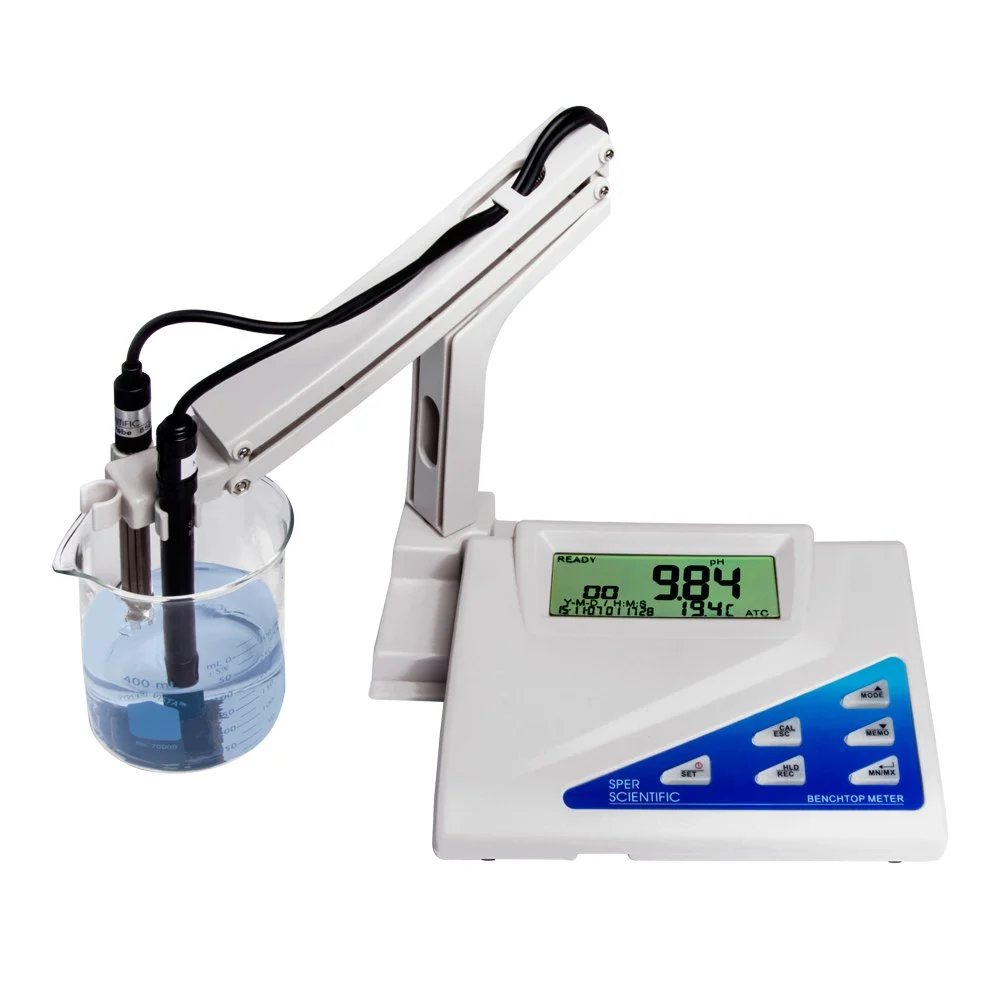
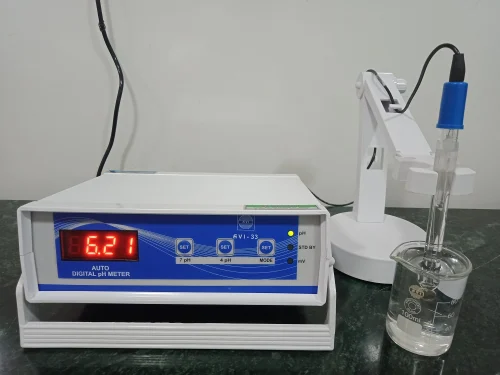
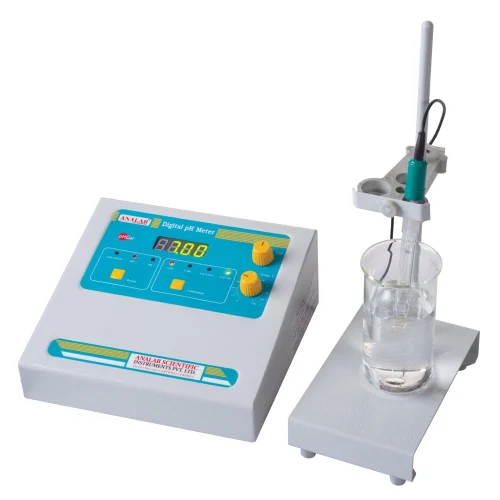
Our digital Balances are designed for accurate measurement of parameters such as temperature, pH, conductivity, voltage, and more. These instruments are widely used in laboratories and industrial processes for monitoring and control.
Applications
- Laboratories
- Industrial plants
- Environmental monitoring
- Electrical testing
Key Features
- High accuracy and fast response
- Digital display for easy readings
- Portable and user-friendly
- Long operational life
Types Available
- pH meters
- Temperature meters
- Conductivity meters
- Voltage and current meters
| Type Of Ph Meter | Portable |
| Resolution | 0.01 pH |
| Model Name/Number | LT-18 |
| Brand | Labtronics |
| Weight | 2kg |
| Display Type | Digital |
| Ph Range | 0-14 pH |
| Accuracy | 0.01 pH |
| Voltage | 100-220 V |
| Frequency | 50 Hz |
Being an eminent organization in the industry, we are involved in providing a premium quality range of PH Meter.
Analytical Electronic Weighing Balance
| Accuracy | 0.1 gm |
| Calibration | Fully Automatic |
| Usage/Application | For Laboratory |
| Weighing Capacity | 1000 Gm |
| Type Of Weighing Scale | Digital |
| Material | Glass |
| Automation Grade | Manual |
An analytical electronic weighing balance, often simply referred to as an analytical balance, is a precision instrument used to measure the mass of substances with high accuracy and precision. Here's how it typically functions:
Sample Placement: The substance to be weighed is placed on a small pan or platform located at the top of the balance.
Sensitivity: Analytical balances are highly sensitive instruments capable of measuring small mass differences. They typically have a readability of up to 0.1 milligrams (0.0001 grams) or even finer.
Measurement: When the substance is placed on the pan, the balance detects the mass by measuring the force exerted by the substance due to gravity. This force causes a deflection in the balance mechanism, which is then converted into a mass measurement by the internal electronics.
Display: The measured mass is displayed on a digital screen or readout in grams or other units of mass, depending on the settings of the balance.
Calibration: Analytical balances require regular calibration to ensure accuracy and reliability. Calibration involves comparing the balance readings to known mass standards and adjusting as necessary to correct any deviations.

Glasswares and General Lab Items
Our range of laboratory glassware includes high-quality beakers and related items used for mixing, heating, and measuring liquids. Manufactured from durable, heat-resistant materials, these products ensure safety and precision during experiments.
Applications
- Chemical laboratories
- Educational labs
- Industrial testing
- Research facilities
Key Features
- Heat and chemical resistant
- Clear and accurate graduations
- Available in multiple capacities
- Durable and break-resistant designs
Product Range
- Beakers (low form, tall form)
- Flasks and measuring cylinders
- Pipettes and burettes
- Storage bottles
Mild Steel Coal Crusher Machine
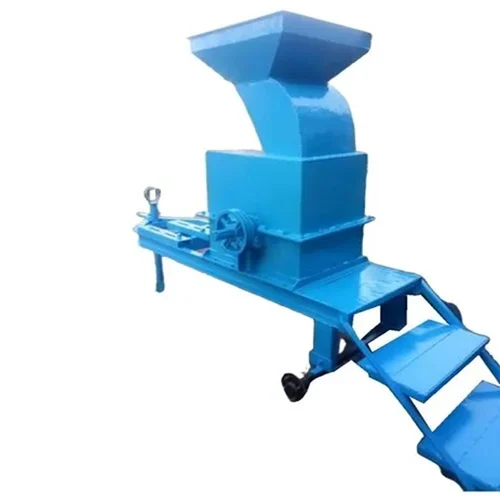
| Capacity | 1 TPH |
| Automation Grade | Semi Automatic |
| Country of Origin | Made in India |
| Brand | Multitech |
Specification/Additional Details
- Capacity1 TPH
- Automation GradeSemi Automatic
- Country of OriginMade in India
- BrandMultitech
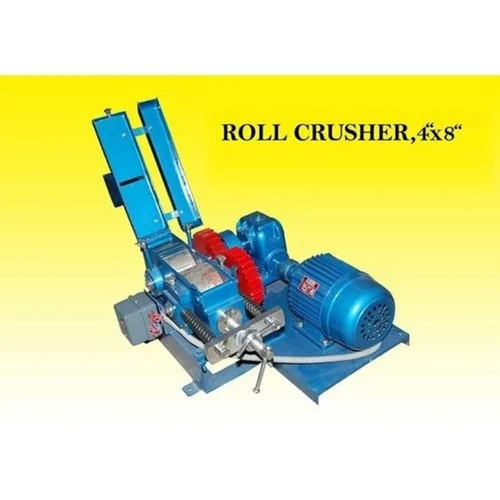
Roll Crusher
Prominent & Leading Wholesale Trader from Raipur, we offer Double Roll Crusher.
| Usage/Application | Stone |
| Material | Mild Steel |
| Automation Grade | Semi Automatic |
| Motor Type | AC Motor |
| Driven Type | Electric |
| Weight | 280Kg |
| Frequency | 50Hz |
| Finishing Type | Color Coated |
| Voltage | 220V |
A double roll crusher is a type of crusher that features two cylindrical rollers rotating in opposite directions, with one being on a fixed axis and the other on a movable axis. Here's how it works:
Material Feeding: The material to be crushed enters the top of the double roll crusher's feed opening and is grabbed and pulled into the crushing zone between the rolls by the action of the rotating motion of the rolls.
Crushing Action: As the two rolls rotate inward, the material is crushed between them. The compressive force exerted by the rolls breaks the material into smaller pieces. The gap between the rolls determines the size of the crushed material, and it can be adjusted to control the final product size.
Discharge: Once the material is crushed to the desired size, it exits the crusher through the gap between the rolls and falls below for further processing or collection.
Digital Spectrophotometer
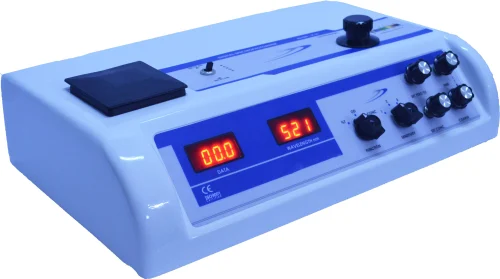
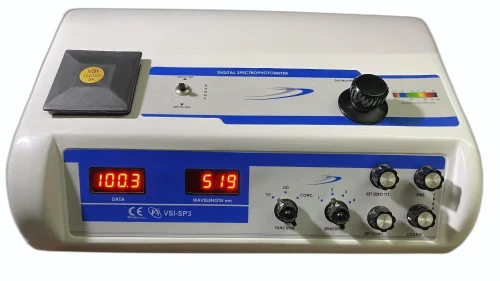
We are a unique name in the industry, devoted towards offering the best quality range of Digital Spectrophotometer.
| Display | Digital |
| Type | Portable |
| Usage/Application | Laboratory Use |
| Wavelength Range | 325-1100 nm |
| Material | ABS Plast |
| Power Source | Electric |
| Voltage | 110-240 V |
| Warranty | 1 Year |
| Weight | 20kg |
| Frequency Accuracy | 50/60 Hz |
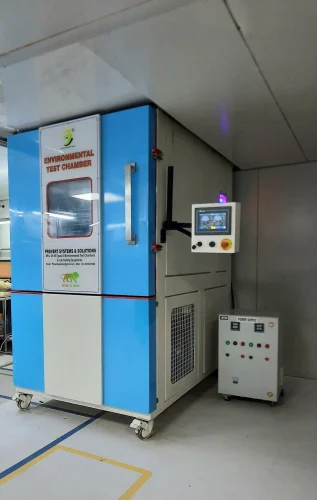
Environmental Testing Chamber
Prominent & Leading Wholesale Trader from Raipur, we offer Environmental Test Chambers.
| Capacity | 200 litre |
| No of Tray | 2 |
| Temperature Range | 0-70 Degree |
| Inner Chamber Size (LxWxH mm) | 2x2x2 |
| Material | Inner SS / Outer MS |
| Country of Origin | Made in India |
Specification/Additional Details
- Capacity200 litre
- No of Tray2
- Temperature Range0-70 Degree
- Inner Chamber Size (LxWxH mm)2x2x2
- MaterialInner SS / Outer MS
- Country of OriginMade in India
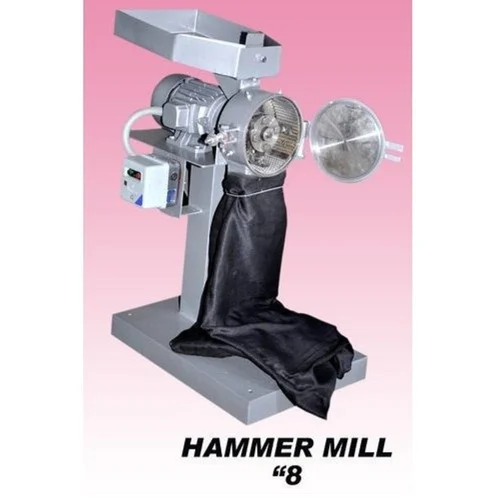
Hammer Mills
Leading Wholesale Trader of Hammer Mill Pulverizer from Raipur.
| Machine Capacity(kg/hr) | 10 kg/hr |
| Usage/Application | Grinding |
| Material | Mild Steel |
| Automation Grade | Semi-Automatic |
| Voltage | 380 V |
| Phase | Three Phase |
| Frequency | 50 Hz |
| Size/Dimension | 8 Inch |
| Weight | 160Kg |
| Power Source | Electric |
A hammer mill pulverizer is a mechanical device used to grind various materials into fine powders. Here's how it typically operates:
Material Feeding: The material to be pulverized enters the hammer mill through a feed hopper. The rate of feeding can be controlled to ensure the mill operates at optimal capacity.
Grinding Chamber: Inside the hammer mill, the material encounters a series of rotating hammer-like hammers that impact and grind it into smaller particles. These hammers are typically made of hardened steel to withstand the impact.
Screening: The ground material passes through a perforated screen located at the bottom of the grinding chamber. The size of the screen perforations determines the final particle size of the ground material. Finer particles are able to pass through smaller perforations, while larger particles remain in the chamber for further grinding.
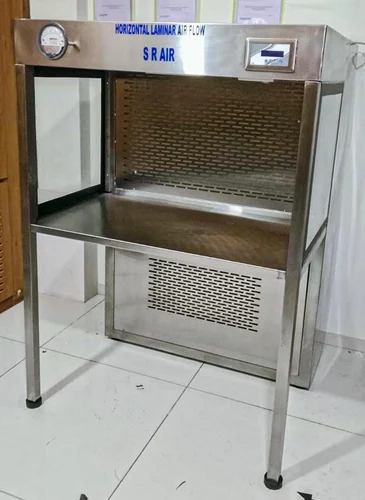
Laminar Flow Bench
Providing you the best range of Laminar Air Flow Bench with effective & timely delivery.
| Type | Vertical |
| Usage/Application | Laboratory |
| Surface Finish | Polished |
| Material | Stainless Steel |
| Efficiency(%) | 99.99% |
| Color | Silver |
| Frequency (Hz) | 60Hz |
| Electrical Socket | 15 Amp |
| Voltage | 220V |
A laminar airflow bench, also known as a laminar flow cabinet or clean bench, is a type of enclosed workspace commonly used in laboratories, medical facilities, and manufacturing environments to provide a sterile or particle-free environment for sensitive processes or experiments. Here's how it typically operates:
Enclosed Workspace: A laminar airflow bench consists of a work surface enclosed by transparent or opaque walls and a top cover. The enclosure is typically made of materials such as stainless steel or acrylic to ensure cleanliness and durability.
Air Filtration System: The heart of a laminar airflow bench is its air filtration system. The system consists of a high-efficiency particulate air (HEPA) or ultra-low penetration air (ULPA) filter that removes particles from the incoming air. This filtration system ensures that the air entering the workspace is free of contaminants.
Unidirectional Airflow: The filtered air is then directed downward in a laminar, or straight, flow pattern over the work surface. This unidirectional airflow helps to prevent contaminants from entering the workspace and provides a sterile environment for processes such as cell culture, microbiological testing, or electronics assembly.
Work Surface: The work surface of the laminar airflow bench is typically made of a smooth, non-porous material such as stainless steel or glass to facilitate easy cleaning and sterilization. It may also include features such as UV lamps for additional sterilization or electrical outlets for powering equipment.
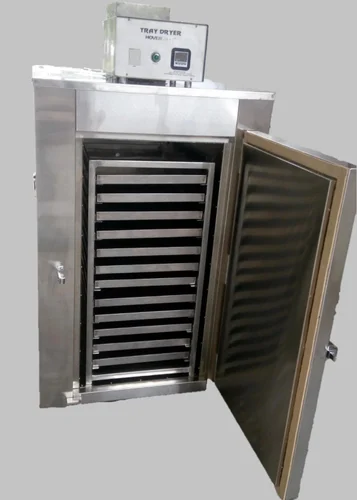
Tray Dryer
Prominent & Leading Wholesale Trader from Raipur, we offer Electric Tray Dryer Machine.
| Number Of Trays | 12 |
| Capacity | 100kg/hr |
| Heating Media | Electric |
| Surface Finish | Polished |
| Material | Stainless Steel |
| Material Grade | SS304 |
| Max Temperature | 500 Degree Max |
| Voltage | 440V |
| Power | 1500W |
| Finishing | Polished |
An electric tray dryer machine is a type of drying equipment commonly used in various industries to remove moisture from materials or products placed on trays or shelves. Here's how it typically works:
Design: A tray dryer consists of a chamber or enclosure made of insulated walls to prevent heat loss. Inside the chamber, there are trays or shelves where the material to be dried is placed. The number of trays and the spacing between them can vary depending on the specific application and the volume of material to be dried.
Heating System: The dryer is equipped with an electric heating system, which may include heating elements or coils located either at the bottom or around the chamber. The heating system generates heat to raise the temperature inside the chamber to the desired level for drying.
Air Circulation: A fan or blower is typically installed to circulate hot air evenly throughout the chamber. This ensures uniform drying of the material on all trays and helps to remove moisture efficiently.
Temperature and Time Control: The temperature and drying time can be controlled using digital or analog controls located on the dryer. Operators can set the desired temperature and duration of the drying process based on the specific requirements of the material being dried.
Monitoring: Some tray dryers may be equipped with sensors or indicators to monitor the temperature and humidity inside the chamber. This allows operators to ensure that the drying conditions remain within the desired range throughout the process.
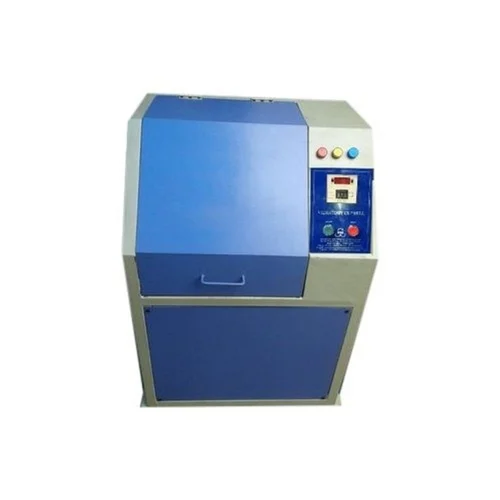
Vibrating Cup Mill
Pioneers in the industry, we offer Vibrating Cup Mill from India.
| Voltage | 440 V |
| Motor Capacity | 2 HP |
| Weight | 200Kg |
| Driven Type | Electric |
| Phase | Three Phase |
| Frequency Rate | 60 Hz |
| Feed Size | 12 mm |
| Discharge Size | 300 Mesh in 12 Min |
| Bowl Capacity | 450 ml |
A vibrating laboratory mill, also known as a vibratory disc mill or a vibration mill, is a specialized type of mill used in scientific research and material analysis. Here's how it typically functions:
Vibration Mechanism: The mill consists of a grinding chamber that contains one or more grinding discs or rings. These discs or rings are mounted on a vibrating platform or shaft.
Sample Loading: The material to be ground is loaded into the grinding chamber, often in the form of small particles or pellets.
Grinding Action: When the mill is turned on, the vibrating platform or shaft causes the grinding discs or rings to oscillate rapidly. This vibration creates a grinding action between the sample particles and the grinding surfaces, resulting in size reduction and homogenization of the material.
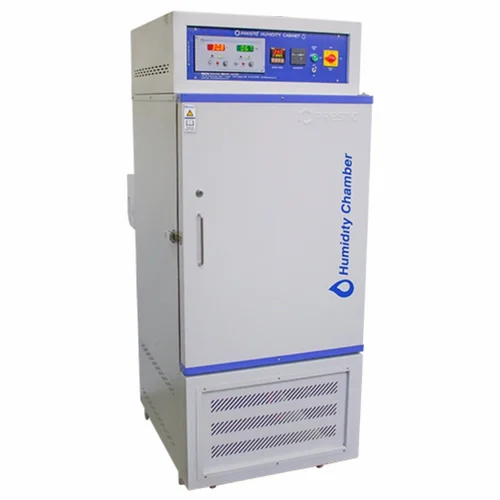
Humidity Chamber
Our range of products include Humidity Test Chamber and Environmental Chamber Humidity Cabinet.
| Humidity Range | 40% RH |
| Temperature Range | 10 DegreeC |
| Volume | 50 liters |
| Power Supply | 220 V |
| Material | MS |
| Accuracy | 99.99% |
A humidity test chamber, also known as a humidity chamber or environmental chamber, is a piece of laboratory equipment used to simulate and control humidity levels for testing the effects of humidity on materials, products, or samples. Here's how it typically operates:
Chamber Design: A humidity test chamber consists of a sealed enclosure made of materials resistant to moisture and corrosion. The chamber may vary in size depending on the application, ranging from small benchtop units to large walk-in chambers.
Humidity Generation: The chamber is equipped with a humidity control system that can introduce water vapor into the chamber to achieve the desired humidity level. This system may involve the use of water reservoirs, ultrasonic humidifiers, or other methods to generate humidity.
Temperature Control: Many humidity test chambers also include temperature control systems to maintain a stable temperature inside the chamber. This is important because humidity levels can affect the temperature and vice versa. The temperature range of the chamber can often be controlled independently of the humidity level.
Monitoring and Control: Humidity test chambers typically feature digital controls and displays for easy monitoring and adjustment of humidity and temperature settings. Some chambers may also offer programmable settings for automated operation.
Sample Placement: Samples or products to be tested are placed inside the chamber on shelves or racks. The chamber provides a controlled environment where the samples are exposed to specific humidity and temperature conditions for a predetermined duration.